

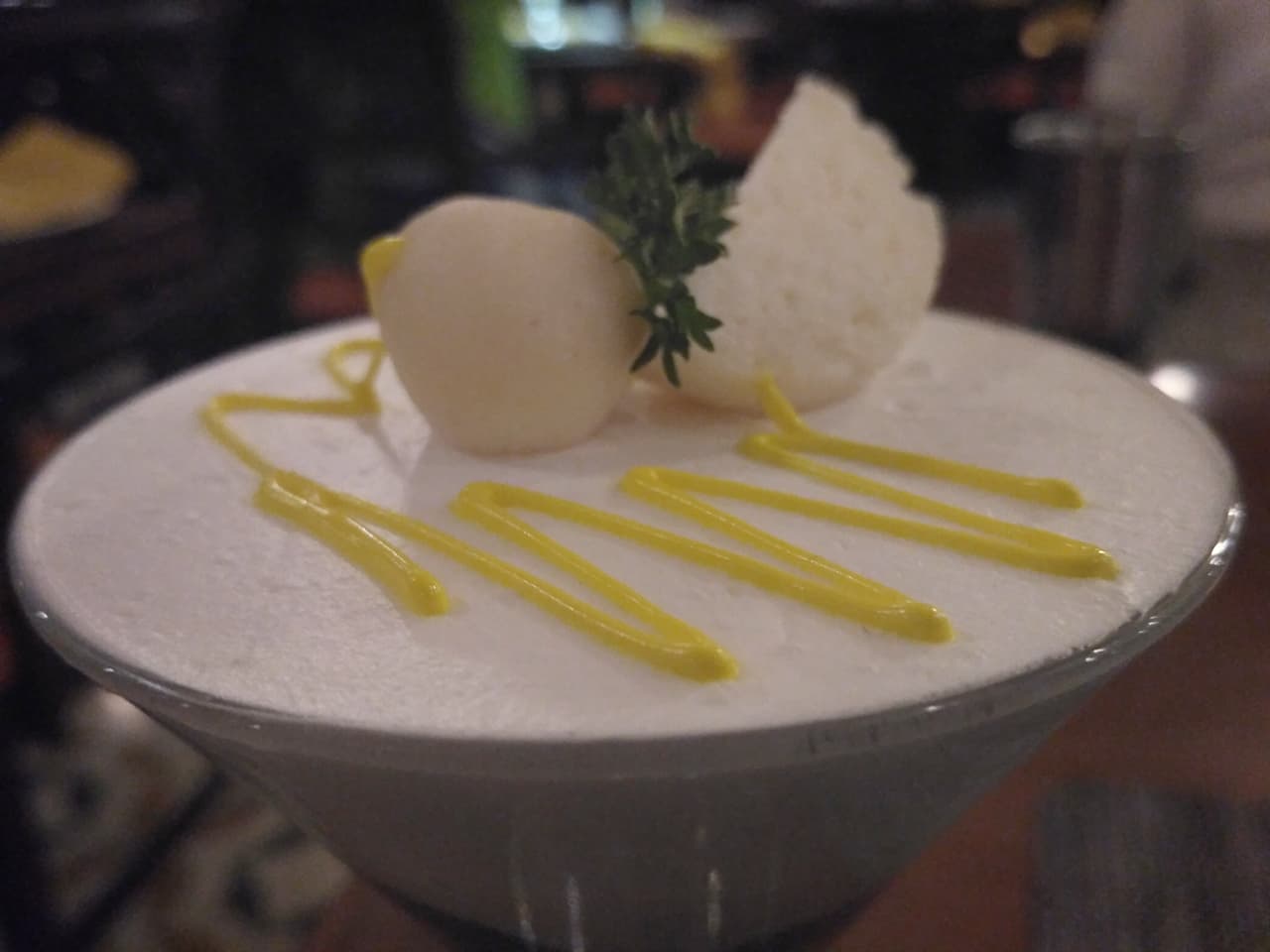
One piece of rasmalai with its milk usually lands between 150 and 230 calories. Per 100 grams it sits around 160 to 230. The number moves with the size of the piece, how sweet the milk is, and how much of that milk you actually drink.
Rasmalai is soft chhena discs soaked in sweetened milk, flavoured with cardamom and saffron and finished with pistachio or almond. It shows up at dawats, weddings and Eid tables in Pakistan, usually after a meal that was already generous. That timing matters more than the dessert itself. One piece after a normal dinner is a treat. Two large pieces after a full dawat plate can add as much as a small meal.
What a piece actually contains
The disc itself is mostly milk solids, so it brings some protein and calcium. The milk it soaks in brings more of both, plus the sugar. A lightly sweet homemade version and a mithai shop version can look identical in the bowl and differ by a third, because the shop version often uses richer milk, more sugar and sometimes condensed milk.
Here are realistic ranges, built from published nutrition estimates across several food databases. Treat them as estimates, not lab measurements, because no two shops make rasmalai the same way.
| Food | Portion | Calories | Protein | Carbs | Fat |
|---|---|---|---|---|---|
| Rasmalai | 1 piece, about 85 g with milk | 150 to 230 | 5 to 8 g | 20 to 30 g | 6 to 10 g |
| Rasmalai | 100 g | 160 to 230 | 6 to 9 g | 22 to 32 g | 7 to 11 g |
| Rasmalai | 2 pieces, about 170 g with milk | 300 to 450 | 10 to 16 g | 40 to 60 g | 12 to 20 g |
| Mithai shop rasmalai | 1 large piece with milk | 250 to 350 | 7 to 10 g | 32 to 45 g | 10 to 15 g |
| Small angoori rasmalai | 1 small piece, about 50 g | 90 to 140 | 3 to 5 g | 12 to 18 g | 4 to 6 g |
Sugar does most of the work in the carbohydrate column. A typical piece carries roughly 15 to 25 grams of sugar, and a very sweet shop piece can carry more. For context, the World Health Organization recommends keeping free sugars below 10 percent of total daily energy, with below 5 percent giving extra benefit. One rich piece can use up a large share of that 5 percent figure on its own, which is why portion matters more than guilt.
Why one piece is never like the next
Milk is the first lever. Rasmalai milk is reduced by cooking, so a thick, creamy version packs more milk solids into every spoonful than a thin, milky one. Condensed milk or added cream pushes it higher again. Full cream milk sits above toned milk, and the difference shows up in the fat column before anywhere else.
Sugar is the second lever, and it hides in two places. The disc is cooked in sugar syrup before it ever meets the milk, and then the milk itself is sweetened. A recipe that goes easy on one and heavy on the other still ends up sweet.
The third lever is the one people forget: how much milk you drink. The piece alone, squeezed lightly, is noticeably lower than the piece plus every spoonful of milk in the bowl. If you eat the disc and leave half the milk, log roughly two thirds of the full piece figure. If you drink it all, log the full figure. That single choice can swing the number by 50 calories or more.
Size is the last lever. Mithai shop pieces vary wildly. Some are neat and small, some are palm sized. When in doubt, compare it to your palm. A piece much larger than that belongs at the top of the range.
How to log rasmalai in CalsFlow
Describe the meal the way you ate it. Entering "1 piece rasmalai with milk" gives an estimate built on a standard piece and a normal amount of milk. Then adjust it to match reality. Drank all the milk? Keep the full estimate. Left most of the milk? Drop it down. Had a large shop piece? Push it up. Had two? Double it and be honest about the second one, because the second piece is where most people stop tracking and start guessing.
That adjustment step is the whole point. Rasmalai is not a food with one true number, so a tracker that only offers one fixed value will be wrong half the time. A range you adjust to your bowl is closer to the truth than a precise looking number that ignores how you ate it.
Frequently asked questions
Is rasmalai good for weight loss? It is not a weight loss food, but one piece does not ruin a week either. The problem is the pattern around it: a heavy dinner, two pieces, and the milk drunk to the last spoon. One piece, logged honestly, fits into most days.
How many calories are in 2 rasmalai? Roughly 300 to 450 for two standard pieces with milk. Two large mithai shop pieces can push past 500.
Is rasmalai healthier than gulab jamun? Usually, slightly. Rasmalai is milk and chhena, so it brings more protein and calcium than a fried, syrup soaked gulab jamun. Both are high sugar desserts though, so the gap is small and the portion still decides the outcome.
Can diabetics eat rasmalai? It is a high sugar dessert, so the safe answer is rarely, in a small portion, and with your doctor's guidance. A homemade version with less sugar in the milk is a better occasional option than a shop version swimming in sweet milk.
If you are comparing desserts across the sweet shelf, the Pakistani food calorie chart puts rasmalai alongside kheer, kulfi and gulab jamun. The Pakistani chai calories page covers the drink that usually arrives next to it.
Eating rasmalai tonight? Describe it in CalsFlow: the size, how many pieces, and whether you drank the milk. Adjust from there and you will have a number you can actually trust.
Cover photo: Rasmalai Dessert by Shubham Rathod via Wikimedia Commons (CC BY-SA 4.0).
CalsFlow provides nutrition estimates, not medical advice.