

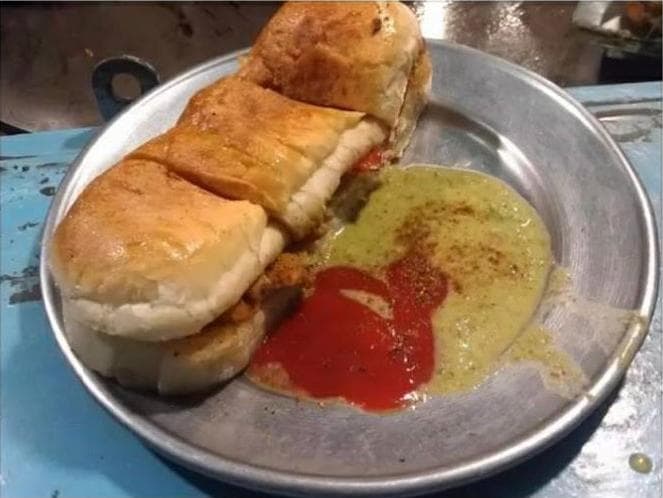
Short answer: one street-style bun kebab carries roughly 350 to 550 calories. That is the sandwich, not just the patty. The range exists because a bun kebab is four foods stacked together: a bun, a fried shami kebab, an egg coating, and whatever chutneys and oil the stall adds. Change any one of them and the number moves.
If you came here asking about the "anday wala burger" from a Karachi roadside stall, you are in the right place. Same food, different name.
What you are actually eating
A bun kebab is a Karachi invention: a shami kebab dipped in beaten egg, fried on a hot tawa, tucked into a soft bun with sliced onion, tomato, and chutneys. The stalls on Burns Road made it famous, and now you find it all over Pakistan and in South Asian neighborhoods abroad. Wikipedia's summary of the dish covers its origins and the regional versions, including the Lahore variant where the patty is fried in extra butter and served almost paste like. They call that one a bun plaster.
The classic patty is chana daal cooked down with minced meat and spices, mashed with potato, shaped, and fried. That mix matters for calories. A chicken shami patty brings lean protein. A daal and potato patty, the cheaper street version, brings mostly carbs. Both get fried in the same oil, so the calorie gap between them is smaller than most people expect.
The numbers
Third party nutrition estimates cluster in a sensible band. One calorie database lists a 150 g Karachi kebab bun at 350 kcal with 20 g protein, 15 g fat and 40 g carbs (snapcalorie.com). A Pakistani food calorie chart puts chicken bun kebab at 310 to 350 kcal per 100 g (trulypakistan.net). A homemade recipe with full nutrition calculated per serving lands at 462 kcal (untoldrecipesbynosheen.com). Smaller, leaner homemade versions run lower.
Those sources are not identical because the foods are not identical. A street stall bun kebab with a proper egg-fried patty sits at the top of the band. A homemade daal aloo version sits lower.
| Portion | Calories | Protein | Carbs | Fat |
|---|---|---|---|---|
| 1 street-style bun kebab, chicken shami (~170 g) | 380–530 | 16–22 g | 40–55 g | 13–22 g |
| 1 street-style bun kebab, daal and aloo patty (~170 g) | 350–500 | 10–15 g | 45–60 g | 12–20 g |
| 1 homemade bun kabab, small (~130 g) | 250–350 | 8–12 g | 32–44 g | 8–14 g |
| 1 bun plaster, Lahore buttery version (~180 g) | 500–650 | 14–20 g | 45–55 g | 25–35 g |
| 2 mini bun kebabs (the Pakistan Chowk style) | 300–450 | 10–18 g | 38–52 g | 10–18 g |
| 100 g bun kebab (average, for reference) | 230–330 | 9–14 g | 26–36 g | 8–15 g |
Where the calories come from
The bun. A standard soft white bun is 120 to 150 kcal before anything touches it. Toasting it on the stall's oily tawa adds a thin film of fat, maybe 30 to 50 kcal more. It is also the biggest source of the carbs in the table.
The patty. A shami patty is only as lean as its mix. Chicken shami has real protein. Daal aloo shami is filling but mostly starch. Either way the frying matters: a shallow-fried patty soaked up real oil, and the vendor decides how much oil sits in that pan.
The egg coating. The dip in beaten egg is what makes a bun kebab a bun kebab and not just a shami burger. One egg is about 70 kcal, though only a fraction clings to each patty. It also crisps the outside, which is why the street versions taste nothing like a homemade sandwich.
The chutneys. Green chutney and imli are the best deal on the stall: spoonfuls of each add maybe 15 to 30 kcal total. Ketchup and mayo change the story. A generous squeeze of mayo can add 90 to 100 kcal on its own.
The bun plaster premium. The Lahore version fries the patty and the bun in copious butter. That is not a garnish; it is the recipe. Expect 100 to 150 kcal above a standard street bun kebab, mostly fat.
How it compares to other street snacks
A samosa runs 100 to 250 kcal per piece depending on size and filling, so one bun kebab is roughly two samosas of energy. A seekh kebab skewer sits around 100 to 130 kcal with much more protein per calorie, since nothing is fried and there is no bun. Bun kebab is a meal; the kebab skewer is a component of one.
Against fast food, the bun kebab actually holds up okay. It is similar in calories to a fast food burger but with a patty that started as lentils and meat rather than a processed disc. The bun is still refined flour either way.
Logging it in CalsFlow
I typed "1 chicken bun kebab from a street stall" into CalsFlow to see what it would do. It assumed a 170 g sandwich, a chicken and daal shami patty, egg coating, light chutney, and returned 400 to 520 kcal with the assumptions listed. That is a good estimate for a standard stall version.
Then I changed the description to "bun plaster from Lahore". The estimate moved up to 520 to 640 kcal and the app flagged butter frying as the reason. That matches the street reality: the plaster version is a different dish pretending to be the same one.
The useful detail to adjust is the patty type and how greasy the cooking looked. Our guide to counting desi food makes the same point: describe it the way you would tell a friend, then fix the one or two things that move the number. For more foods in one place, the Pakistani food calorie chart has 20 plus dishes side by side.
Can it fit a calorie deficit?
Easily, with two caveats. First, the oil: ask for a lighter fry or skip the butter and you cut 80 to 120 kcal without touching the taste much. Second, the extras: chutney is fine, mayo is not if you are counting. One bun kebab and no fries sits comfortably inside most deficit budgets. Our daily calorie needs guide is the place to find your number.
FAQs
How many calories in 1 bun kebab? A street stall bun kebab runs 350 to 550 kcal. Homemade versions are 250 to 350. The buttery Lahore bun plaster lands at 500 to 650.
Is bun kebab good for weight loss? It can fit if you treat it as the meal. The problem is never one bun kebab; it is the bun kebab plus the fries plus the cold drink. Keep it to the sandwich, go easy on mayo, and it works.
What is the difference between a bun kebab and an anda wala burger? Nothing. Anday wala burger is just the street name for a bun kebab, the one with the egg-fried shami patty.
Which has more calories, bun kebab or chapli kebab burger? The bun kebab is usually higher. A chapli kebab patty alone is 120 to 330 kcal; put it in a bun and it becomes a similar meal to a standard bun kebab. Both are fried, both run high on fat.
Picked up a bun kebab on the way home and unsure whether the patty was chicken or daal? Describe it in CalsFlow and adjust the patty and oil until the number matches what you saw. It is on Google Play.
Cover photo: Bun Kabab by LunaticFringe97 via Wikimedia Commons (CC BY-SA 4.0). CalsFlow provides nutrition estimates, not medical advice.