

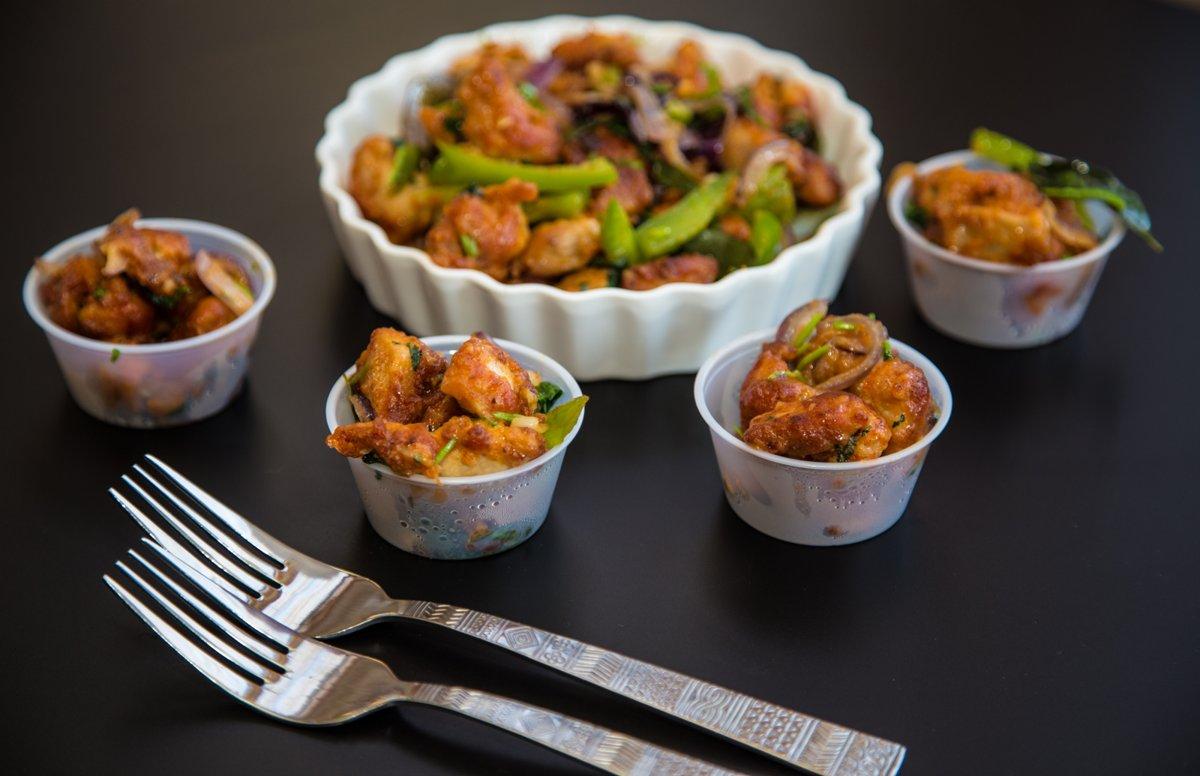
Short answer: a typical restaurant serving of chicken manchurian (about 250 g) has 500 to 600 calories. The same serving made at home with baked or air fried chicken and a lighter sauce lands at 400 to 500 calories. Per 100 g, expect 160 to 240 kcal, and the frying method decides most of that spread.
Manchurian is the dish that made Indo-Chinese food a fixture on Pakistani menus. Battered chicken pieces get fried crisp, then tossed in a sweet, tangy, and spicy sauce built on soy sauce, ketchup, garlic, ginger, and green chillies. It was created in Mumbai in 1975 by chef Nelson Wang, and it travelled fast. In Pakistan it shows up everywhere from Chinese restaurants in Karachi and Lahore to home kitchens, usually as a starter or with egg fried rice. It tastes nothing like a karahi, and it logs nothing like one either.
What actually decides the number
How the chicken was fried. This is the big one. Restaurant manchurian starts with battered chicken deep fried in oil, and the batter soaks up a lot of it. One tablespoon of cooking oil is around 120 calories, and a deep fried portion can easily carry two or three extra tablespoons compared with the same chicken baked or air fried. That alone can be a 200 calorie gap.
The sauce. Soy sauce, ketchup, and chilli sauce give manchurian its flavour, and they also bring sugar and salt. A sweet restaurant sauce can add 10 to 20 g of sugar to a serving, and the salt is high enough to notice. The World Health Organization recommends keeping salt under 5 g a day, and one saucy restaurant serving can use up a good chunk of that. A homemade sauce with less ketchup and sugar pulls both numbers down.
Dry or with gravy. Dry manchurian is tossed so the sauce clings to the chicken. Gravy manchurian comes with a thicker, saucier coating that pools on the plate. The gravy version runs higher because the extra sauce is mostly oil, sugar, and starch. If the plate looks glossy and wet, log the top of the range.
The rice on the side. Manchurian rarely arrives alone. A cup of egg fried rice adds 300 to 400 calories, which is often more than the difference between a homemade and a restaurant serving. Plain steamed rice adds 200 to 250. Log the rice on its own line or the total will mislead you.
Chicken manchurian calories and macros
| Portion | Calories | Protein | Carbs | Fat |
|---|---|---|---|---|
| 100 g, homemade, baked or air fried | 160 to 200 | 15 to 18 g | 9 to 13 g | 7 to 11 g |
| 100 g, restaurant, deep fried, saucy | 200 to 240 | 13 to 16 g | 12 to 18 g | 12 to 17 g |
| 1 serving, homemade (~250 g) | 400 to 500 | 35 to 45 g | 23 to 33 g | 18 to 28 g |
| 1 serving, restaurant (~250 g) | 500 to 600 | 32 to 40 g | 30 to 45 g | 30 to 43 g |
| Plus 1 cup egg fried rice | add 300 to 400 | add 6 to 8 g | add 45 to 55 g | add 10 to 14 g |
| Plus 1 cup plain steamed rice | add 200 to 250 | add 4 to 5 g | add 44 to 50 g | add 1 to 2 g |
A restaurant serving with a cup of egg fried rice is an 800 to 1,000 calorie meal. The same manchurian with plain steamed rice instead is 700 to 850. And a homemade serving on its own, no rice at all, is the lightest way to eat it.
The chicken underneath is doing honest work. Cooked chicken breast is about 165 kcal and 31 g protein per 100 g (USDA FoodData Central), so a manchurian serving still delivers 30 g of protein or more. The calories above that base number come from the batter, the frying oil, and the sauce, not the meat.
Manchurian vs jalfrezi vs karahi
These three get ordered for similar reasons, and the differences are worth knowing:
- Manchurian is battered and fried, then sauced. The frying and the sweet sauce push it highest of the three. See the full breakdown in chicken jalfrezi calories for the closest comparison.
- Jalfrezi is stir fried fast with peppers, onions, and tomatoes, with no batter and no sweet sauce. A dry homemade plate runs 450 to 600 calories, lighter than most restaurant manchurian.
- Karahi is wok cooked in tomato and ginger, also without batter. Similar oil levels to jalfrezi, a little more gravy. Details are in chicken karahi calories.
Same chicken, three different plates. The batter and the sauce are what make manchurian the heaviest of the three.
The honest way to log manchurian
Manchurian is one of the easier restaurant dishes to get wrong in a tracker, because the same name covers a light homemade version and a heavy deep fried one. A few habits keep the log honest.
- Name the style. Deep fried restaurant manchurian and baked homemade manchurian are different entries. Say which one you ate.
- Log the rice separately. Egg fried rice is a meal in itself. Give it its own line so you can see what the chicken cost and what the rice cost.
- Watch the sauce. A dry, lightly coated serving means a lighter log. A glossy plate with sauce pooling at the edge means the top of the range, plus extra sugar and salt.
- Count the chicken, not the plate. Restaurant plates are generous. If you ate half the plate, log half the plate.
In CalsFlow, type:
"restaurant chicken manchurian, 1 serving, with 1 cup egg fried rice"
You get the estimate with the assumptions spelled out: frying style, sauce level, rice choice. Eating the homemade version tonight? Dial the oil down and watch the number move. After a few orders you will know your usual manchurian by heart.
Is chicken manchurian healthy?
It depends on which manchurian. The chicken gives it a solid protein base, and the peppers and onions in the sauce add flavour for very few calories. The problems are the frying oil, the sugar in the sauce, and the salt. None of those are hard to fix at home: bake or air fry the chicken, go lighter on the ketchup and sugar, and keep the soy sauce measured. That version is a genuinely reasonable dinner, high in protein and easy to fit into a day. The restaurant version is a treat meal, and it is fine as one. If protein is your target, how much protein you need per day is worth a read, and the broader pattern for Pakistani and desi food is the same: measure the fat and the sauce, not the dish.
FAQs
Is chicken manchurian good for weight loss? It can be. The homemade baked version is high in protein at 400 to 500 calories a serving, which fits most plans. The restaurant version is heavier, so keep the portion to one serving, pick plain rice over egg fried rice, and skip the extra sauce.
How many calories are in chicken manchurian with fried rice? A restaurant serving with a cup of egg fried rice runs 800 to 1,000 calories. The same serving with plain steamed rice is 700 to 850.
What is the difference between dry and gravy manchurian? Dry manchurian has the sauce tossed through the chicken so it clings to each piece. Gravy manchurian comes with a thicker, saucier coating that pools on the plate. The gravy version runs higher in calories because of the extra oil, sugar, and starch in the sauce.
Is chicken manchurian the same as chilli chicken? They are close cousins. Both are battered fried chicken tossed in a spicy sauce. Manchurian leans sweet and tangy from ketchup and soy sauce, while chilli chicken leans hotter and drier, with more green chillies and capsicum. Their calories are in the same range.
Cover photo: Abhinaba Basu, CC BY 2.0, via Wikimedia Commons.
CalsFlow provides nutrition estimates, not medical advice.