

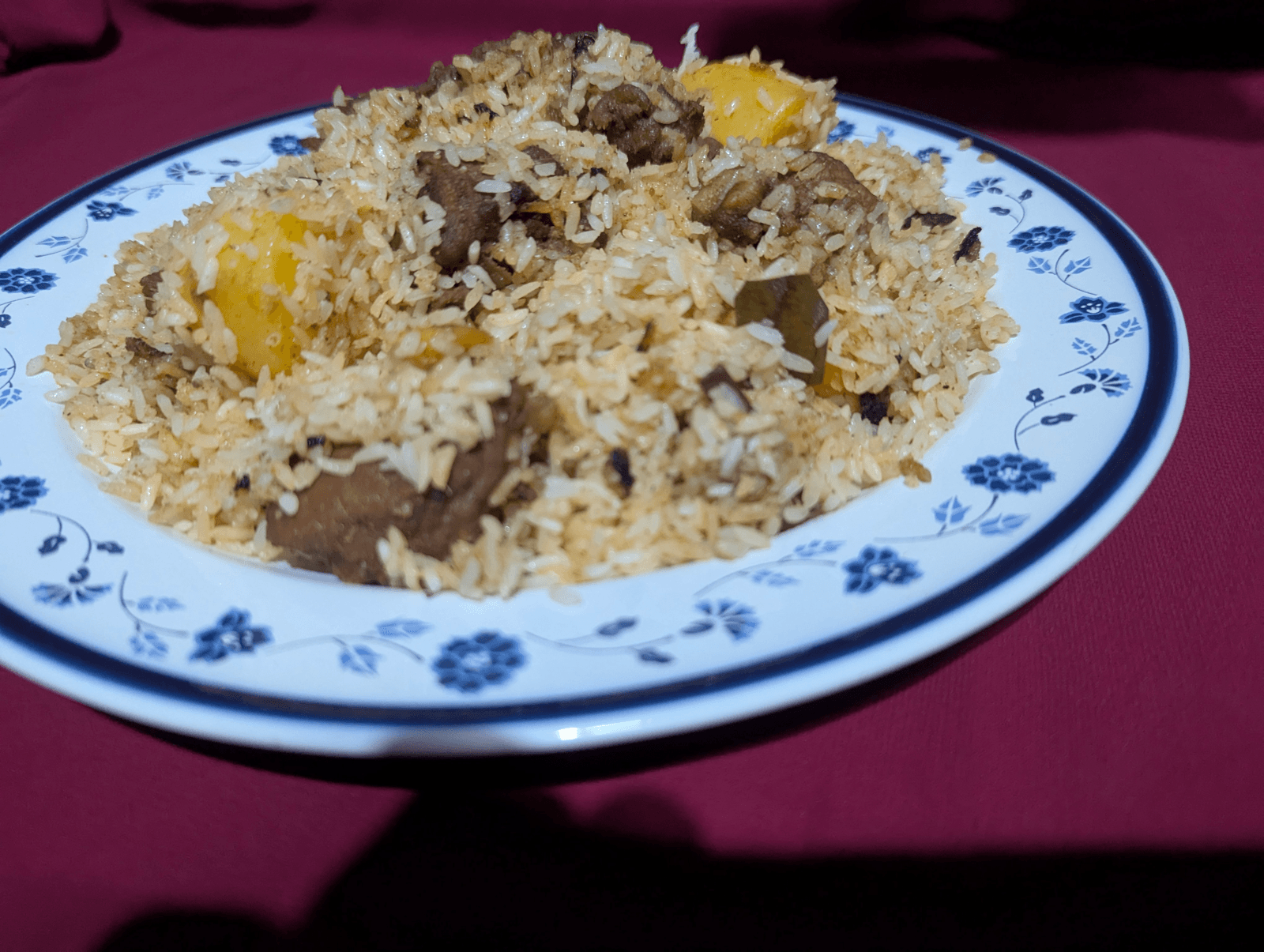
Short answer: one restaurant plate of beef biryani (about 350 g) has 720 to 900 calories. A homemade plate of about 300 g runs 560 to 700. Per 100 g, expect 190 to 260 kcal, and the cut of beef plus the oil in the pot decide where in that range your plate lands.
Beef biryani sits at the top of the biryani family for calories, above both chicken biryani and mutton biryani. The rice is the same in all three. The difference is the meat. Pakistani beef biryani usually uses stewing cuts, beef cubes cooked till tender in masala before layering, and those cuts carry more fat than chicken breast or lean goat. That fat melts into the rice during dum cooking, which is exactly why beef biryani tastes so rich and why it costs more calories.
Why one plate can vary so much
The cut matters more than the recipe name. Lean beef, trimmed well, cooks up around 200 kcal per 100 g according to USDA figures for cooked beef. Fattier stewing cuts run closer to 280. A biryani made with lean cubes and a biryani made with fatty, bone in pieces can share a menu name and sit 100 calories apart per plate before rice even enters the picture.
Oil is the second lever. Home cooks measure it, often a few tablespoons for a whole pot. A restaurant deg gets ladles of it, plus the oil from frying the onions. One tablespoon of oil is about 120 calories, so the gap between a careful home pot and a restaurant deg can be 200 calories before portion size enters the picture.
Aloo and portion size do the rest. Karachi style biryani almost always includes potato, and an aloo heavy plate runs higher in carbs per 100 g than a meat heavy one. Restaurant plates are also simply bigger, often 350 g or more, while a home serving is closer to 300 g.
Bones change the weighing. A plate of bone in beef biryani includes bone weight. If you weigh your plate with bones and log the full weight as biryani, you will overshoot. Weigh the edible part, or log a plate and let the range absorb the difference.
Beef biryani calories and macros
| Portion | Calories | Protein | Carbs | Fat |
|---|---|---|---|---|
| 100 g, homemade (light oil) | 190 to 230 | 10 to 13 g | 24 to 28 g | 8 to 12 g |
| 100 g, restaurant | 220 to 260 | 10 to 13 g | 24 to 28 g | 12 to 17 g |
| 1 cup (~200 g) | 400 to 500 | 20 to 26 g | 48 to 56 g | 17 to 30 g |
| 1 plate, homemade (~300 g) | 560 to 700 | 30 to 39 g | 72 to 84 g | 24 to 36 g |
| 1 plate, restaurant (~350 g) | 720 to 900 | 32 to 44 g | 85 to 100 g | 30 to 52 g |
| Plus raita (~50 g) | add 30 to 50 | add 2 to 3 g | add 3 to 5 g | add 1 to 3 g |
Rice makes up most of the plate, so this is still a carb heavy dish. The protein is real, though: a restaurant plate gives you 32 to 44 g, the highest of the common biryanis, with more fat alongside it. If you track macros, the rice is the part to portion and the beef is the part to keep. (Unsure how much protein you actually need? See how much protein you need per day.)
Beef biryani and weight loss
It fits, but it needs more care than chicken biryani because the ceiling is higher. What works in practice:
Serve your plate in the kitchen, not from the deg. A pre-portioned plate stops the second helping that does most of the damage. Pick the meat over extra rice when you serve, and go easy on the aloo if your plate is already rice heavy. Raita is the best swap on the table: a spoonful adds flavor for 30 to 50 calories, while another ladle of oily salan adds 150 or more. And log it honestly. Biryani is exactly the kind of food people under-log, and one honest entry beats a week of pretending.
The pattern holds across Pakistani and desi food generally: the dish is rarely the problem, the unmeasured oil and the bottomless rice are.
How to track beef biryani in seconds
In CalsFlow, type:
"1 plate beef biryani, restaurant, with raita"
You get calories and macros plus the assumptions behind them, the portion it guessed and the oil it allowed for. Homemade with light oil? Turn the oil assumption down and the estimate drops. Ate a deg special with extra aloo? Note that too, and the carbs move up. Two weeks of honest entries and you will know your usual plate cold.
Pair it with naan and the same logic applies: log the bread separately, since a restaurant naan adds 300 to 450 calories on top of the plate. For the full picture across dishes, the Pakistani food calorie chart puts biryani next to karahi, daal and the rest of the table.
FAQs
How many calories are in 1 cup of beef biryani? About 400 to 500 kcal for a ~200 g cup. Restaurant cups sit toward the top of that range because of extra oil.
Does beef biryani have more calories than chicken biryani? Yes, usually 150 to 200 kcal more per plate. The rice is the same, but beef stewing cuts carry more fat than chicken, and beef biryani tends to get a heavier hand with ghee.
How much protein is in beef biryani? Roughly 10 to 13 g per 100 g. A full restaurant plate gives you 32 to 44 g, which is solid, though the rice dominates the calories.
Does homemade beef biryani have fewer calories than restaurant biryani? Almost always. Home cooks use less oil, serve smaller plates, and skip the extra ghee drizzle between layers. Expect a homemade plate to run about 20 to 30 percent lower per 100 g.
Is beef biryani good for weight loss? It can fit: control the rice portion, keep the beef, watch the oil, and log it honestly. It is the unmeasured second helping that breaks diets, not the dish itself.
Worth remembering
Beef biryani: 190 to 260 kcal per 100 g, 720 to 900 per restaurant plate, with 32 to 44 g of protein from the beef. Portion the rice, keep the meat, watch the oil, and remember the bones when you weigh. Having beef biryani this weekend? Describe it in CalsFlow and get your real number, assumptions included.
CalsFlow provides nutrition estimates, not medical advice.