

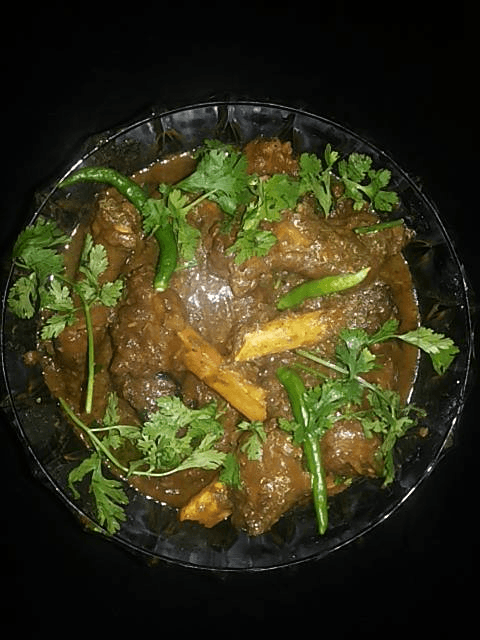
Short answer: a restaurant bowl of mutton paya, roughly 300 g with two or three trotters, carries 350 to 525 calories. Per 100 g, that is 100 to 175 kcal, with about 9 to 13 g of protein and 5 to 13 g of fat. The spread is huge because paya is two meals in one: a thin broth on one end, a fatty gelatin-rich stew on the other. Which one lands in your bowl decides almost everything.
The numbers come from published entries, not guesses. FatSecret's generic mutton paya entry lists 175 kcal per 100 g, with 12.79 g of fat and 12.99 g of protein per 100 ml (fatsecret). Their serving sizes tell the rest of the story: 420 kcal for a cup, 526 for a 300 g serving. At the leaner end, a home-style paya soup recipe runs 95.5 kcal per 100 g with 9 g of protein (Clearcals), and a recipe-based estimate lands at 350 kcal for a 250 g serving with 28 g of protein (CookYourYum).
Why one bowl can be double another
The fat on top, first. Paya cooks for hours, and dhaba versions get finished with a ghee or oil baghar. Skimmed broth is mostly water with gelatin dissolved in it. A restaurant ladle that drags through the fat layer is a different meal. That is the whole gap between 100 and 175 kcal per 100 g.
Then, how much of the trotter you actually eat. Paya trotters are mostly bone, tendon, and skin. The edible part is the soft gelatinous tissue and a little meat clinging to the bones. If you mostly sip the broth and gnaw a little, you sit low on the range. If you eat every soft bit off three trotters, the protein and the fat climb together.
Third, goat versus beef. Goat paya is the classic Pakistani version; a beef version shows up at some dhabas. The fattier the raw material, the richer the broth, which is one more reason two payas never match.
And the broth thickness. Some homes thin paya down to a drinkable soup. Others reduce it to a gravy you mop up with naan. Same pot, different concentration, very different bowl.
Paya calories and macros
| Paya | Portion | Calories | Protein | Carbs | Fat |
|---|---|---|---|---|---|
| Mutton paya, restaurant style | 100 g | 150 to 175 | 10 to 13 g | 3 to 5 g | 10 to 13 g |
| Mutton paya, restaurant style | 1 bowl (~300 g) | 350 to 525 | 30 to 40 g | 9 to 15 g | 30 to 40 g |
| Mutton paya, lean homemade broth | 1 cup (~240 g) | 230 to 350 | 20 to 30 g | 6 to 10 g | 12 to 20 g |
| Paya broth, mostly liquid | 100 g | 95 to 120 | 8 to 10 g | 2 to 4 g | 5 to 8 g |
The restaurant rows bracket FatSecret's 175 kcal per 100 g and 526 kcal per 300 g entries, with the recipe estimate of 350 per 250 g sitting mid-range. The lean rows track the home-recipe broth at 95.5 per 100 g. Salt runs high either way: the lean recipe still shows about 285 mg of sodium per 100 g, so paya is never a low-sodium meal.
How to track paya in seconds
In CalsFlow, type:
"1 bowl mutton paya, 2 trotters, oily"
You get the calorie and macro estimate plus the assumptions: the bowl weight it guessed, how much of the fat it allowed for, the protein from the gelatinous bits. Had a thin home broth with the fat skimmed? Say so, and the number drops with it. With paya, the fat decides more than the animal. Broth versus stew moves the number more than goat versus beef.
This is the same honest-entry approach as our guide to counting calories in Pakistani and desi food: describe what is actually in front of you, check the assumptions, fix what is wrong.
Paya in a weight-loss diet
Paya is not the obvious cutting food, but it is not the worst breakfast either. The gelatin and protein keep you full: a restaurant bowl can carry 30 to 40 g of protein. The catch is the floor is high, the fat comes with it, and nobody eats paya alone. Two trotters plus a naan plus the fat layer can pass 700 kcal without you doing anything wrong.
If paya is your weekend breakfast ritual, keep it and shrink the damage. One bowl. Let the fat settle and skim the top, or eat the homemade version where the pot got skimmed the night before. Naan or no naan changes more than anything else, and our roti calories guide has the bread math. Then eat lighter for the rest of the day, which is the whole point of our daily calorie guide: fit the food into the budget instead of fighting the food.
FAQs
How many calories are in one bowl of paya? A restaurant bowl of about 300 g carries 350 to 525 kcal. A thin homemade broth of the same size runs closer to 230 to 350. Then add the bread on top of that.
Is paya good for weight loss? It is high in protein and filling, which helps, but it is also fatty and usually eaten with bread. One modest bowl can fit a cutting day. Two oily bowls with naan usually cannot.
Paya vs nihari: which has fewer calories? Paya, slightly. A restaurant paya bowl runs 350 to 525 kcal against nihari's 400 to 550, because paya's broth is thinner. The gap closes fast once the fat layer and the bread go in. Our nihari calories breakdown covers the comparison dish.
How much protein is in paya? A lot: 30 to 40 g in a restaurant bowl. If you track protein, our protein guide walks through how much you actually need.
Is paya healthy? It is a protein-rich, heavily salted, fatty meat dish. Nothing magic, nothing poison. Like most traditional foods, the honest version is: fine in moderation, expensive as a daily habit.
The bottom line
Paya: 350 to 525 kcal per restaurant bowl, 100 to 175 per 100 g, with the fat layer and how much of the trotter you eat deciding almost everything. Describe the fat when you log it and your numbers stay honest. Eating paya this weekend? Describe it in CalsFlow with the trotters and oil spelled out and get your real number.
Cover photo: Shabnam Shamsuddin via Wikimedia Commons (CC BY-SA 4.0).
CalsFlow provides nutrition estimates, not medical advice.